The Complete Guide to Drywall for Homeowners
Homeowners seeking drywall service typically want expert help with installation, repair, or finishing, which local contractors can provide to ensure quality results.
Homeowners exploring the complete guide to drywall for homeowners are taking an important step toward understanding how to improve their living spaces. Whether planning a renovation, repairing damage, or simply updating interior walls, knowing the basics of drywall can help property owners make informed decisions. Local contractors specializing in drywall services can provide valuable expertise, whether it’s installing new panels, finishing surfaces, or addressing issues like cracks and moisture. Keeping informed about drywall options ensures that homeowners can select solutions that enhance both the appearance and durability of their homes.
For property owners in the area, understanding drywall fundamentals can lead to more efficient project planning and better results. Many local service providers offer a range of drywall services that can help with everything from initial installation to finishing touches. By learning what to expect from drywall work, homeowners can more effectively communicate their needs and work alongside professionals to achieve their desired outcomes. Keep reading to discover practical tips and insights that can help make drywall projects smoother and more successful.
- Drywall installation - homeowners may need this work when constructing new rooms or adding partitions, with local contractors ensuring proper framing and smooth finishing.
- Drywall repair - when walls are damaged by water, impact, or age, local service providers can patch, sand, and finish to restore a seamless surface.
- Texturing and finishing - for those wanting decorative wall finishes or a uniform look, local pros apply textures and paint-ready coats according to homeowner preferences.
- Soundproofing drywall - homeowners seeking to reduce noise transfer between rooms or from outside may consult local contractors for specialized drywall installation.
- Drywall removal and replacement - when remodeling or upgrading spaces, local service providers can efficiently remove old drywall and install new panels to meet design goals.
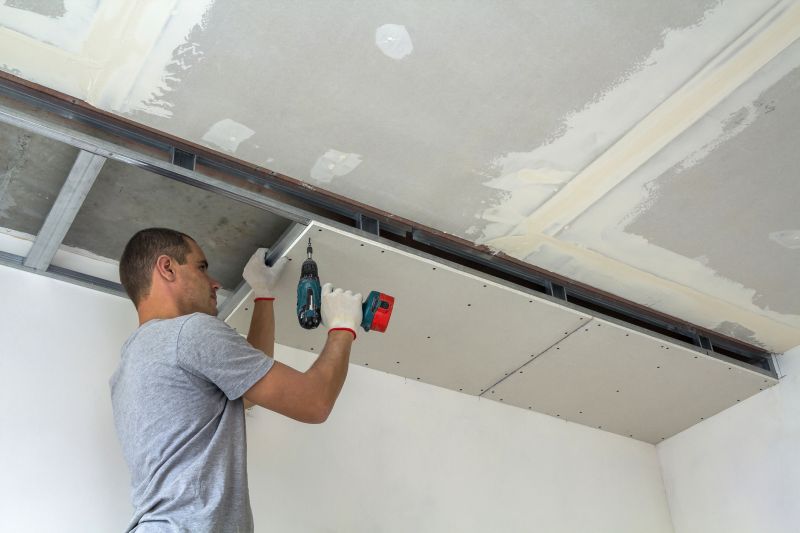
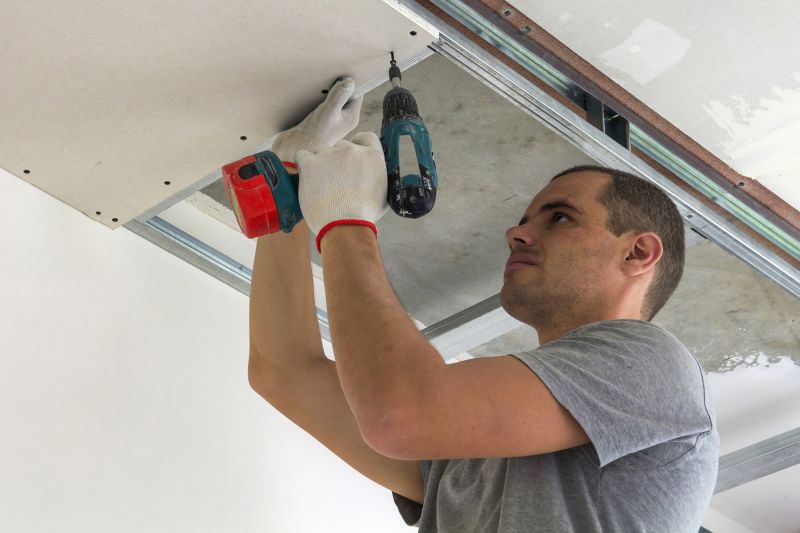
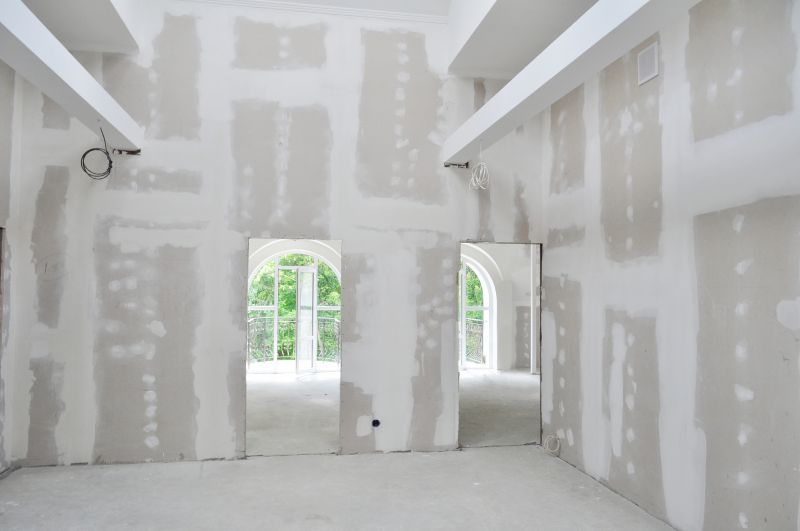
The complete guide to drywall for homeowners typically addresses the basics of installing, repairing, and finishing drywall in residential properties. When people search for this topic, they often want to understand how drywall fits into their renovation or new construction projects, as well as how to manage common issues like cracks, holes, or moisture damage. Homeowners may also be exploring options for upgrading their walls, such as adding texture or soundproofing, and are seeking practical advice on what to expect throughout the process. This guide aims to clarify how drywall serves as a foundational element in interior spaces and how local drywall service providers can help ensure the work is done properly and efficiently.
Drywall-related projects are usually connected to a variety of home improvement plans, including remodeling kitchens, finishing basements, or repairing walls after water damage or structural changes. Common problems that prompt homeowners to look into drywall services include cracks from settling, holes from accidents, or the need to replace outdated or damaged panels. Many homeowners also plan to install new drywall to prepare spaces for painting or wallpapering, making it an essential part of the finishing process. Understanding these issues helps homeowners see how drywall work fits into larger renovation efforts and how professional drywall contractors can address these specific challenges.
The types of properties that often involve drywall projects tend to be single-family homes, townhouses, and multi-unit apartment buildings. Most residential properties have drywall as the standard wall material because it’s cost-effective and versatile. In newer construction, drywall is typically installed throughout the interior, while older homes may require repairs or updates to existing panels. Homeowners in these properties may also consider specialized drywall options, such as moisture-resistant panels for bathrooms or fire-rated drywall for safety compliance. Recognizing the property type helps homeowners identify which drywall services are most relevant for their specific project and how local contractors can tailor their work to meet those needs.
Connecting with local drywall service providers is an important step for homeowners planning any drywall-related project. These professionals can handle a wide range of tasks, from hanging new panels to finishing and texturing walls, ensuring a smooth and professional appearance. They can also assist with repairs, addressing issues like cracks, holes, or water damage, and can recommend appropriate drywall types for different areas of the home. By working with experienced local contractors, homeowners gain access to skilled craftsmanship and reliable service, making the process of updating or repairing drywall more straightforward and less stressful. This approach helps ensure the project meets the homeowner’s expectations and integrates seamlessly into their overall home improvement plans.
Ceiling drywall installation - local contractors can handle installing and finishing drywall on ceilings, ensuring smooth surfaces for painting or texture application.
Drywall repair services - professionals can efficiently fix holes, cracks, and water damage in existing drywall to restore wall integrity and appearance.
Textured wall finishes - local service providers can apply various textures to drywall surfaces to match interior design styles and add visual interest.
Soundproof drywall installation - specialists can install specialized drywall options that improve sound insulation between rooms or from outside noise.
Drywall taping and finishing - local pros expertly tape joints and apply finishing coats for seamless drywall surfaces ready for painting or decorating.
Partition wall construction - service providers can build interior partition walls using drywall to create new rooms or define spaces within a home.
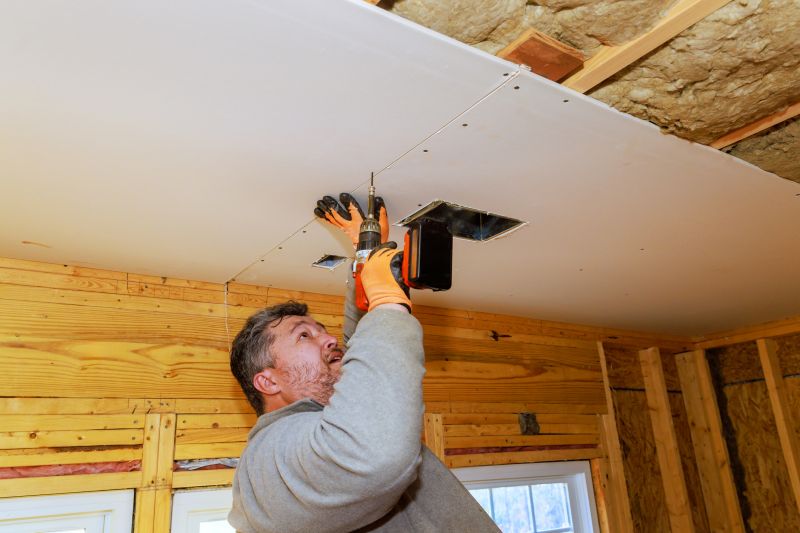
When evaluating drywall service providers, it’s important to consider their experience with similar projects. Homeowners should inquire about the types of drywall work the contractors have completed, such as finishing, repairs, or installations in spaces comparable to their own homes. A contractor with a proven history of handling projects like textured ceilings, patching, or large-scale drywall installations can often deliver results that meet expectations. Reviewing a contractor’s portfolio or asking for examples of past work can provide insight into their familiarity with the nuances of drywall finishing and the quality of their craftsmanship.
Clear, written expectations are essential for a smooth project process. Homeowners should seek service providers who can articulate their scope of work, including details about materials, techniques, and the steps involved in completing the drywall project. Having these expectations documented helps prevent misunderstandings and sets a baseline for the work to be performed. When comparing local contractors, it’s advisable to ask how they communicate project details and whether they provide written estimates or plans, ensuring that everyone is aligned before the work begins.
Reputable references and strong communication are key factors in selecting a reliable drywall service provider. Homeowners can ask potential contractors for references from past clients who had similar projects, offering an opportunity to learn about their experiences and satisfaction levels. Additionally, effective communication throughout the process-prompt responses, clarity about procedures, and openness to questions-can significantly influence the overall experience. Choosing a service provider who demonstrates professionalism and transparency helps ensure the project progresses smoothly and meets the homeowner’s expectations.
Property owners often search for the complete guide to drywall for homeowners when they are planning practical projects around their homes and businesses. Local pros provide Drywall Service services for everyday jobs and straightforward project options.
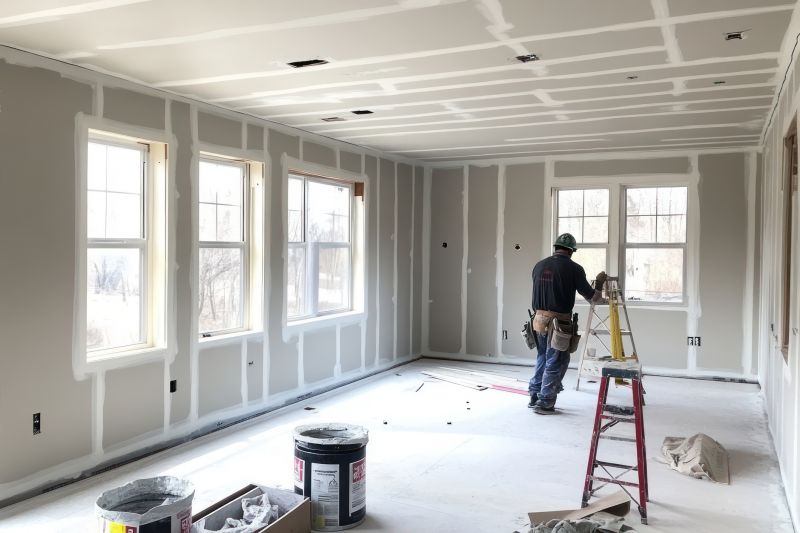
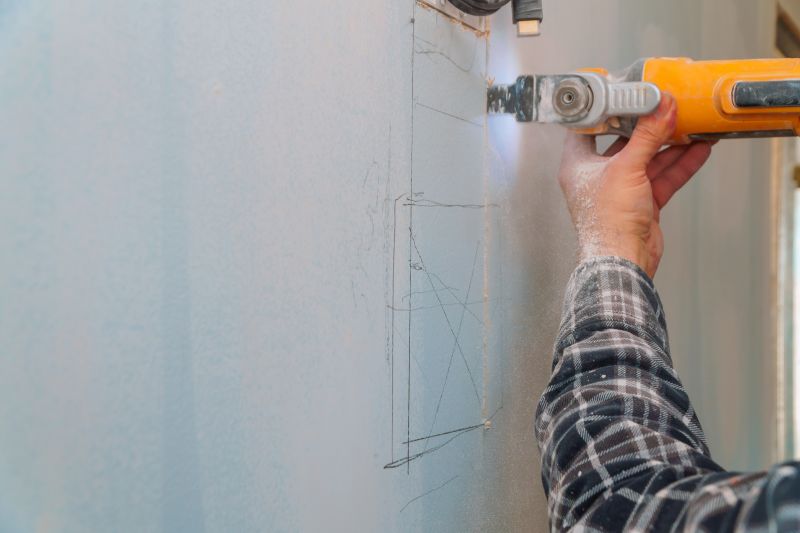
Homeowners often turn to the complete guide to drywall for homeowners when tackling everyday projects such as repairing minor holes, patching up cracks, or preparing walls for painting. Whether updating a single room or doing a full interior renovation, understanding drywall basics can help property owners make informed decisions about repairs and improvements. When these projects arise, many choose to connect with local contractors who specialize in drywall services to ensure the work is completed efficiently and to a high standard, saving time and reducing potential issues down the line.
In addition to repairs, property owners may seek drywall services when installing new walls or finishing basement spaces. These projects often require precise installation and finishing techniques that are best handled by experienced service providers. Consulting with local drywall specialists can provide peace of mind, knowing that the work will be done correctly and seamlessly integrated into the existing space. For those exploring the complete guide to drywall for homeowners, reaching out to local contractors can be a practical step toward achieving professional results.
What is drywall and why is it used in home construction? Drywall is a building material made of gypsum plaster pressed between two thick sheets of paper, used to create interior walls and ceilings. Local contractors can help with installation and finishing to ensure a smooth, professional look.
How do I choose the right drywall for my home project? Different types of drywall are available for various applications, such as moisture-resistant or fire-rated options. Local service providers can advise on the best drywall type for specific areas in a home.
What are common drywall issues homeowners should watch for? Common problems include cracks, dents, water damage, and uneven surfaces. Professional drywall services can identify and repair these issues to maintain wall integrity and appearance.
What steps are involved in drywall installation and finishing? Installation typically involves hanging sheets, taping joints, applying joint compound, and sanding for a smooth finish. Local drywall contractors handle each step to achieve a polished result.
How can I maintain drywall surfaces over time? Regular cleaning and prompt repair of minor damages can extend drywall lifespan. Local pros can provide maintenance services to keep walls looking their best.
Assessing drywall needs - property owners can evaluate areas that require new drywall or repairs, and seek help from local contractors to handle installation or patching projects.
Preparing for drywall installation - homeowners can clear space and remove obstructions to facilitate smooth drywall setup by experienced service providers.
Finishing drywall surfaces - property owners might focus on sanding and smoothing joints, with local pros providing professional finishing for a polished look.
Repairing damaged drywall - homeowners can identify cracks or holes early and hire local contractors to restore damaged areas efficiently.
If you are thinking about the complete guide to drywall for homeowners for a property, this guide is meant to help you understand this topic, the typical project types, and how different options might fit your plans.
When you are ready, you can use the quote form on this page to share a few details about your project. From there, local pros can review the basics and follow up with options that match what you have in mind.